Blog · 9 min read
Shiva Panchak and Panchakshari: Meaning, Mantra and Puja Vidhi
Reviewed by Acharya Krishnakant Shashtri · Updated 12 September 2026
A careful explanation of Shiva Panchak, Panchakshari worship and the common confusion with the five-nakshatra Panchak period.
Quick answer
Shiva Panchak commonly points to Panchakshari upasana: worship through the five syllables Na-Ma-Shi-Va-Ya, usually chanted as Om Namah Shivaya. At Trimbakeshwar a formal anushthan may combine a fixed japa count with sankalp, Shiva puja, abhishek and havan. It is not the same subject as Panchak Shanti, which relates to a five-nakshatra period in the calendar.
The meaning of Panchakshari
Namah Shivaya is called Panchakshari because its core contains five syllables. The mantra expresses reverence and surrender to Shiva. Traditional explanations also associate the syllables with the five elements—earth, water, fire, air and space—and with purification of the devotee's conduct and awareness.
These correspondences guide contemplation; they are not mechanical promises. The central practice is attentive repetition with humility, not fear about pronunciation or an obsession with numbers.
Shiva Panchak versus the Panchak period
Panchak in the Hindu calendar describes the Moon's passage through the last five nakshatras from Dhanishtha to Revati. Customs about travel, construction or final rites during this period differ by region and family tradition.
Panchakshari, by contrast, is a Shiva mantra. A family asking for 'Shiva Panchak' should first clarify whether it wants mantra japa or advice about a Panchak date. Dharmsetu checks this before recommending a service.
A simple practice at home
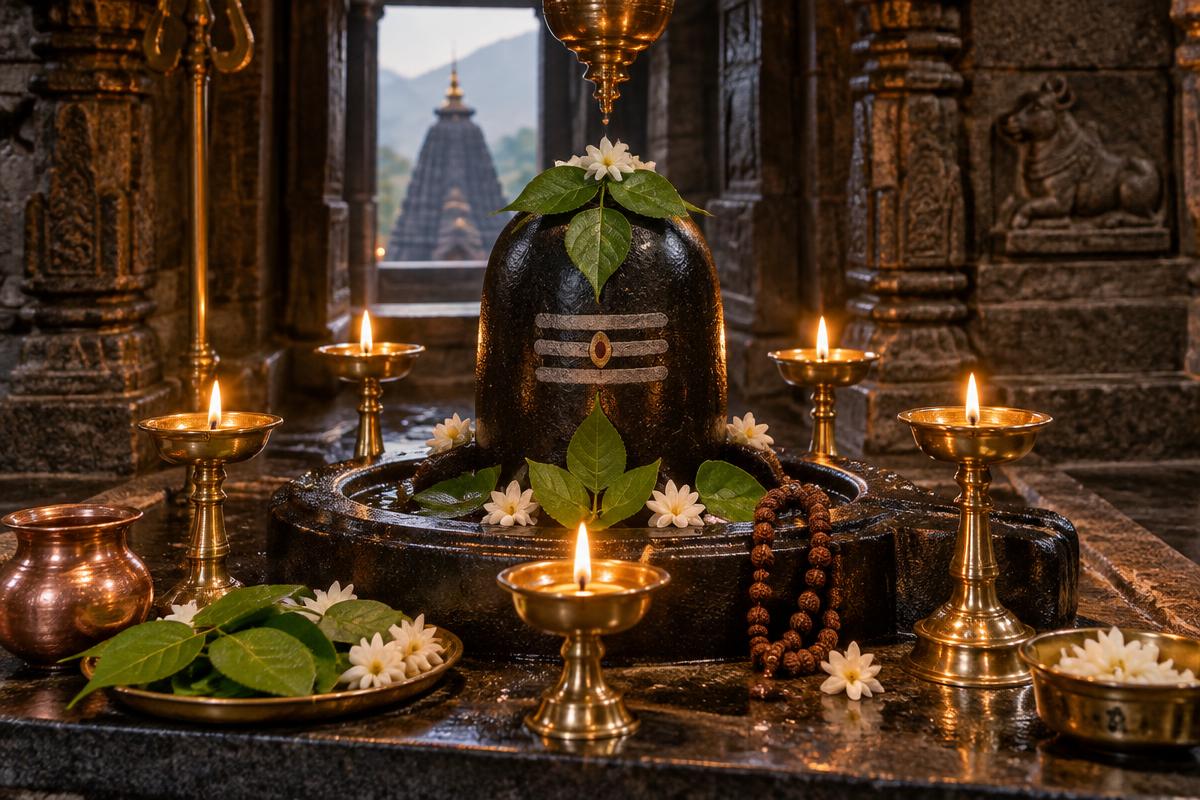
Personal Panchakshari japa is open to any sincere devotee. Bathe or wash, sit in a clean place, light a diya if safe, offer water and bilva leaves to Shiva, and chant at an unhurried pace. A rudraksha mala may help maintain a count, but attention is more important than display.
- ◆Begin with Ganesh smaran
- ◆State a simple, honest intention
- ◆Offer clean water and bilva where available
- ◆Chant Om Namah Shivaya steadily
- ◆Close with prayer, aarti or silent gratitude
Formal anushthan at Trimbakeshwar
A formal anushthan is useful when a family wants a defined collective count or wants the japa joined to worship at the Jyotirlinga kshetra. The Acharya fixes the count according to the occasion and the time available.
The sequence includes sankalp in the yajman's name and gotra, Ganesh and Kalash puja, Panchakshari japa, Shiva abhishek, concluding havan, aarti and dana. Proxy sankalp is available where travel is not possible.
Choosing a count and date
There is no single count compulsory for everyone. A daily practice may begin with one mala, while a family anushthan can use a larger count shared by trained reciters. Mondays, Pradosh and Shravan are preferred, but a suitable day can be selected from the current panchang.
Avoid online claims that one number guarantees a particular result. A sankalp gives discipline and direction; it does not turn prayer into a transaction.
When Rudrabhishek may be the better choice
Panchakshari japa centers on mantra repetition. Rudrabhishek centers on bathing the Shiva Linga while Sri Rudram is chanted. Families seeking a concise devotional practice may choose Panchakshari; those specifically seeking the Vedic Rudram procedure may choose Rudrabhishek.
Key takeaways
- ◆Confirm whether 'Shiva Panchak' means Panchakshari or calendar Panchak.
- ◆Om Namah Shivaya can be chanted freely at home.
- ◆A formal anushthan adds sankalp, collective japa, abhishek and havan.
- ◆Counts and dates should suit the purpose rather than follow a generic promise.
Frequently asked questions
Related Dharmsetu anushthans
Rituals traditionally connected with Shiva Panchak Puja, performed at Trimbakeshwar.
Shiva Panchakshari Anushthan
Focused worship through the five sacred syllables of Om Namah Shivaya.
Read more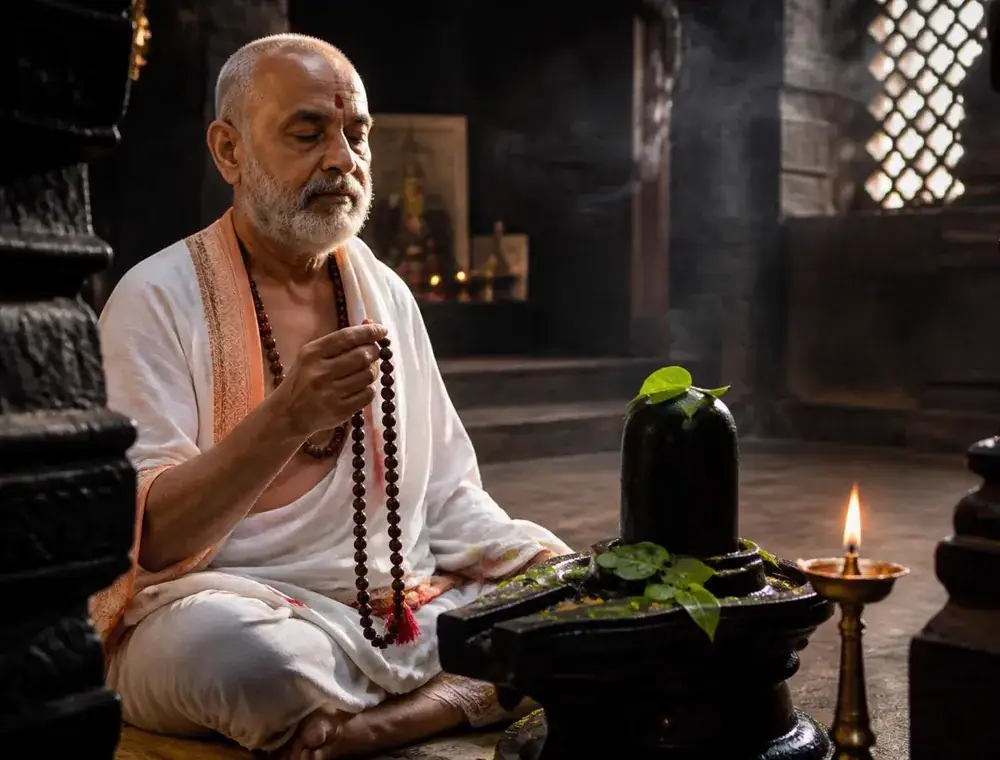
Rudrabhishek Puja
Abhishek of the Jyotirlinga with the Sri Rudram, the highest Shiva worship.
Read more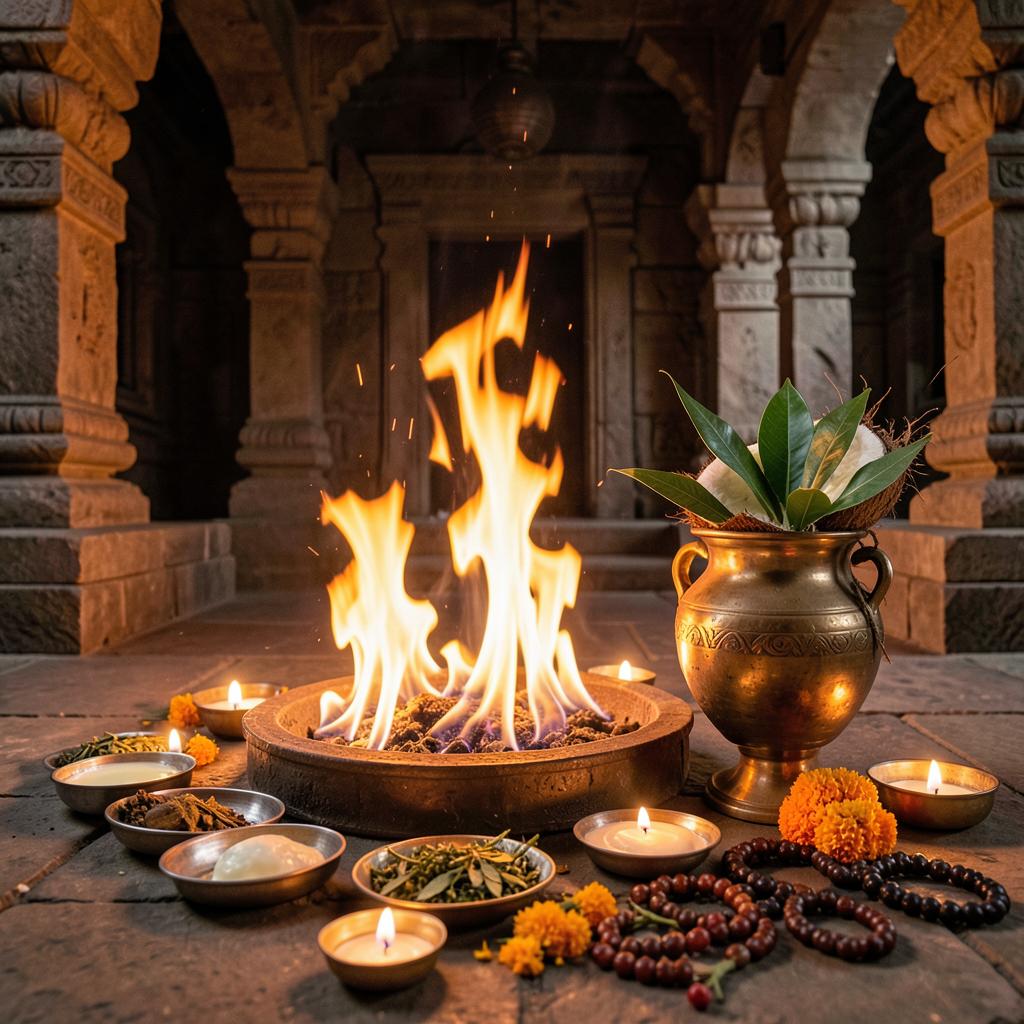
Mahamrityunjaya Jaap
The mantra of conquering death, chanted for healing and protection.
Read more