Blog · 8 min read
Shiva Chalisa: Meaning, Path Vidhi and a Simple Home Practice
Reviewed by Acharya Krishnakant Shashtri · Updated 12 September 2026
A calm devotional guide to Shiva Chalisa—how to prepare, recite with attention and understand when a simple home path is enough.
Quick answer
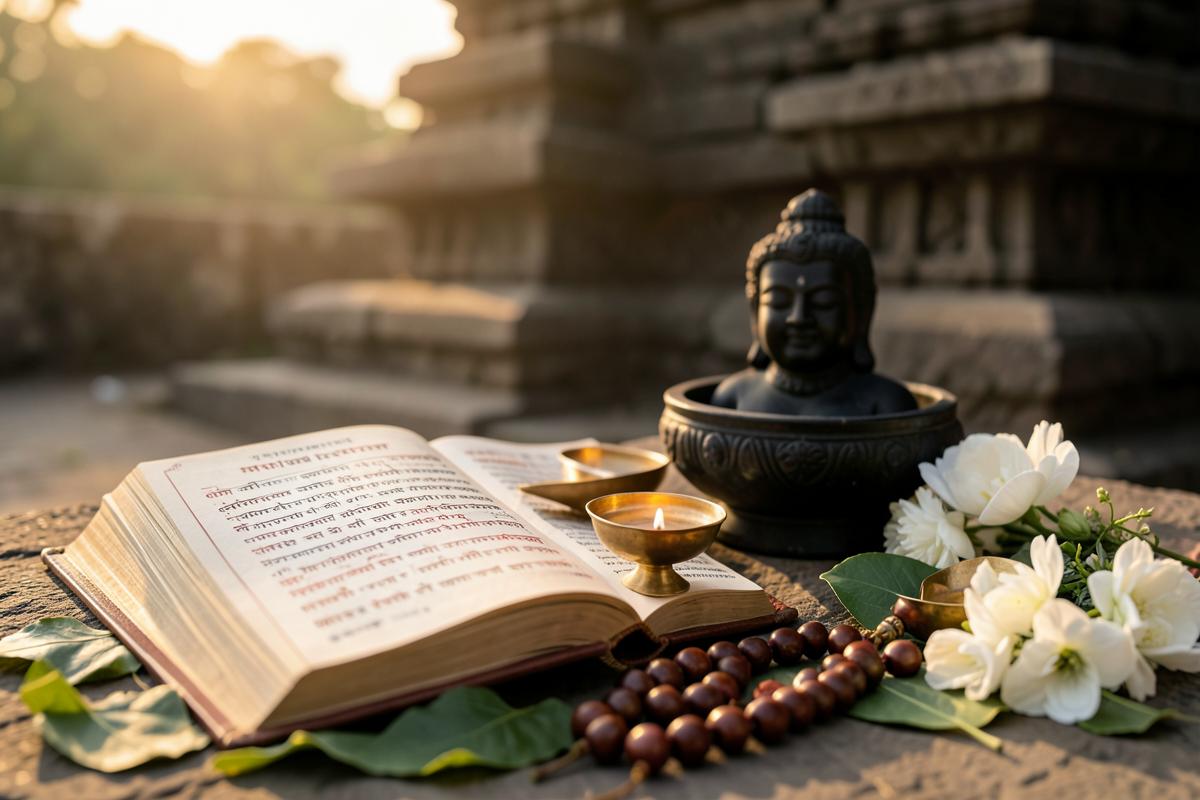
Shiva Chalisa is a forty-verse devotional hymn praising Mahadev's forms, compassion and protection. It can be read at home without a priest or elaborate samagri. A simple practice includes cleanliness, a diya, water or bilva offering, attentive recitation and aarti. A formal path at Trimbakeshwar adds a named sankalp, collective recitation and simple abhishek.
What a chalisa is
The word chalisa refers to a composition of forty verses. Unlike a Vedic sukta, it is designed for accessible household devotion in a language devotees can follow. Its purpose is bhakti—remembering Shiva through praise, narrative and prayer.
Because it is devotional literature, it should not be marketed as a guaranteed remedy. The traditional benefits are steadiness, courage and a more regular prayer life; experiences naturally differ.
How to prepare for home recitation
Choose a clean, quiet place and a time you can keep without rushing. Wash, settle the mind and place the text where it can be read comfortably. If using a diya, keep it on a stable surface away from children and fabric.
- ◆Keep a Shiva image or linga if your family normally worships one
- ◆Offer clean water, flowers or bilva without waste
- ◆Read clearly and at a pace that preserves meaning
- ◆Pause briefly after the path for silent prayer
- ◆Share prasad simply; display is not required
Days traditionally associated with Shiva
Monday is widely kept for Shiva, while Pradosh joins worship to the twilight period. Shravan and Mahashivratri receive special observance. These days can support discipline, but the devotional text may be recited whenever a person can pray sincerely.
Specific festival dates change yearly. Use a reliable local panchang or ask an Acharya instead of relying on an undated online calendar.
Chalisa, Panchakshari and Sri Rudram
Shiva Chalisa is a verse hymn. Om Namah Shivaya is the Panchakshari mantra used for repeated japa. Sri Rudram is a Vedic hymn chanted by trained reciters during Rudrabhishek. Each is valid in its own setting; one should not be presented as automatically superior.
For daily family worship, Chalisa and simple mantra japa are often sufficient. A formal Rudrabhishek is chosen for a specific sankalp or temple anushthan, not because personal prayer is inadequate.
A collective path at Trimbakeshwar
Families marking a birthday, remembrance, recovery period or new beginning may request a collective path. The Acharya records the name, gotra and intention, performs Ganesh smaran, leads the recitation, offers jal abhishek and closes with aarti and prasad.
Those unable to reach Trimbakeshwar may join by video. The format is short and transparent, and the full dakshina is confirmed before the date is reserved.
Common mistakes to avoid
- ◆Do not rush only to complete a number of readings.
- ◆Do not promise health, wealth or legal outcomes from recitation.
- ◆Do not treat a mispronounced word as a reason for fear.
- ◆Do not assume a paid ceremony is required for valid devotion.
- ◆Do not copy festival dates without checking the current panchang.
Key takeaways
Shiva Chalisa is best understood as a regular, accessible practice of devotion. Begin simply, read attentively and let consistency matter more than ceremony. Seek priest-led worship only when your family wants a formal collective sankalp.
Frequently asked questions
Related Dharmsetu anushthans
Rituals traditionally connected with Shiva Chalisa Path, performed at Trimbakeshwar.
Shiva Chalisa Path & Puja
A simple, accessible path of praise, prayer and remembrance of Mahadev.
Read more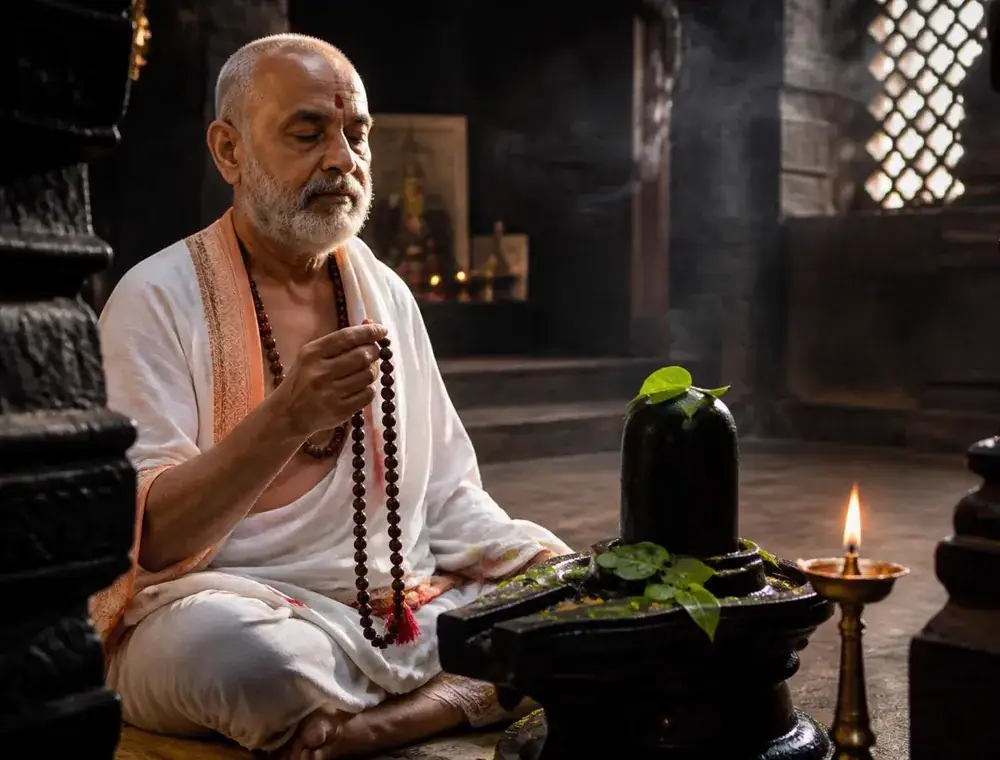
Rudrabhishek Puja
Abhishek of the Jyotirlinga with the Sri Rudram, the highest Shiva worship.
Read more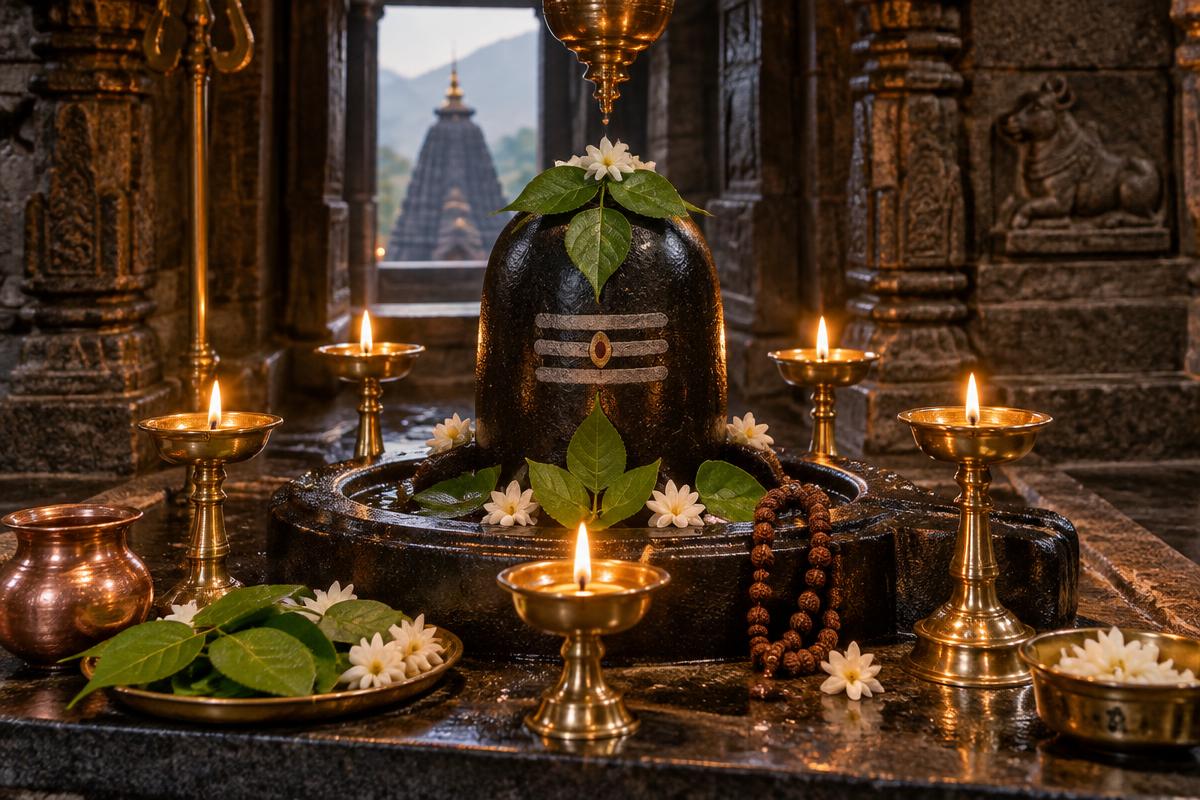
Shiva Panchakshari Anushthan
Focused worship through the five sacred syllables of Om Namah Shivaya.
Read more