Blog · 10 min read
Navagraha Pooja: Vidhi, Mantras and Chart-Based Shanti Guidance
Reviewed by Acharya Krishnakant Shashtri · Updated 12 September 2026
Why Navagraha Shanti should be guided by the whole birth chart rather than a generic fear about one planet.
Quick answer
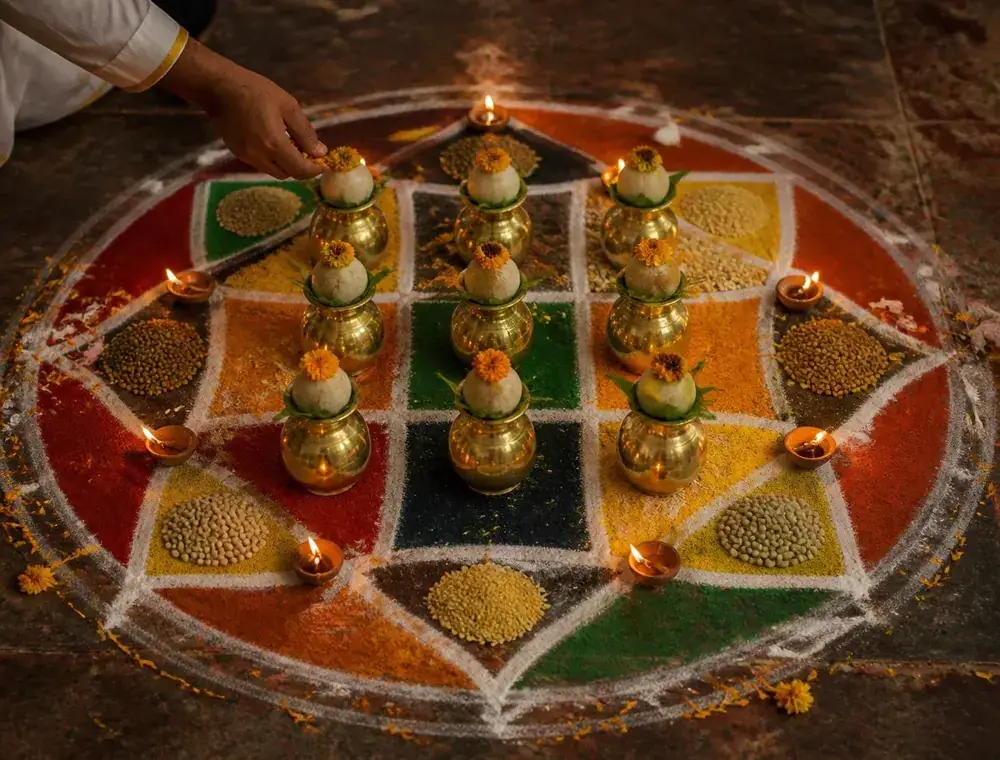
Navagraha Pooja is a coordinated worship of the nine planetary deities. A responsible anushthan begins with kundli review, identifies the grahas and dasha needing attention, and then uses the appropriate mantra japa, offerings, havan and dana. At Trimbakeshwar it is completed with a named sankalp and can be arranged in person or by proxy.
The nine grahas in Vedic astrology
The Navagraha are Surya, Chandra, Mangala, Budha, Guru, Shukra, Shani, Rahu and Ketu. Jyotish reads them as indicators of timing and tendency within the chart, not as simple labels of good and bad.
A planet that creates pressure in one chart may support discipline or growth in another. House rulership, sign, aspects, dignity and the running dasha must be read together before a remedy is chosen.
When graha shanti may be considered
Families commonly ask during Sade Sati, a difficult mahadasha or antardasha, repeated conflict, career reversals or a major life transition. These experiences alone do not prove a planetary dosh.
- ◆A qualified reading identifies a specific afflicted graha
- ◆The running dasha aligns with the period of difficulty
- ◆A major beginning calls for balanced Navagraha worship
- ◆Simple remedies have been explained before an elaborate rite is proposed
The Navagraha Pooja vidhi
The exact emphasis varies, but the core order remains transparent.
- ◆Birth details and kundli are reviewed
- ◆Ganesh puja, Punyahavachan and Kalash sthapana
- ◆Navagraha aavahan and individual mantra japa
- ◆Offerings associated with each graha, used respectfully
- ◆Navagraha havan with prescribed samidha
- ◆Purnahuti, aarti, dana and practical home guidance
Why the kundli review comes first
Performing the same ritual for every person ignores the central method of Jyotish. The Acharya considers lagna, house ownership, conjunctions, aspects and the current dasha. Sometimes the honest conclusion is that no large puja is needed.
This review also prevents unsuitable remedies. For example, strengthening a difficult functional planet through a gemstone may be unhelpful even when the planet appears weak.
Mantra, dana and daily conduct
Temple worship is one part of graha shanti. Daily discipline—truthful conduct, care for parents and elders, charity within one's means, and the specific mantra or weekday practice advised—gives the remedy continuity.
Dana should be useful and proportionate, not wasteful. Fear-based demands for costly materials or guaranteed outcomes are not signs of sound guidance.
Trimbakeshwar and remote sankalp
Families visiting Trimbakeshwar from Nashik or farther away receive the reporting time, duration and full dakshina before travelling. For overseas families, the sankalp can be taken by proxy using the yajman's name, gotra and birth details, with a live video link where practical.
Key takeaways
- ◆Navagraha Shanti should be personalised from the whole chart.
- ◆No single transit automatically requires an elaborate puja.
- ◆Gemstones are optional and need separate judgement.
- ◆Mantra, dana and ethical conduct continue beyond the ceremony.
- ◆Traditional remedies support effort; they do not guarantee events.
Frequently asked questions
Related Dharmsetu anushthans
Rituals traditionally connected with Navagraha Pooja, performed at Trimbakeshwar.
Navagraha Shanti Puja
Personalised graha shanti for the planets troubling your chart.
Read more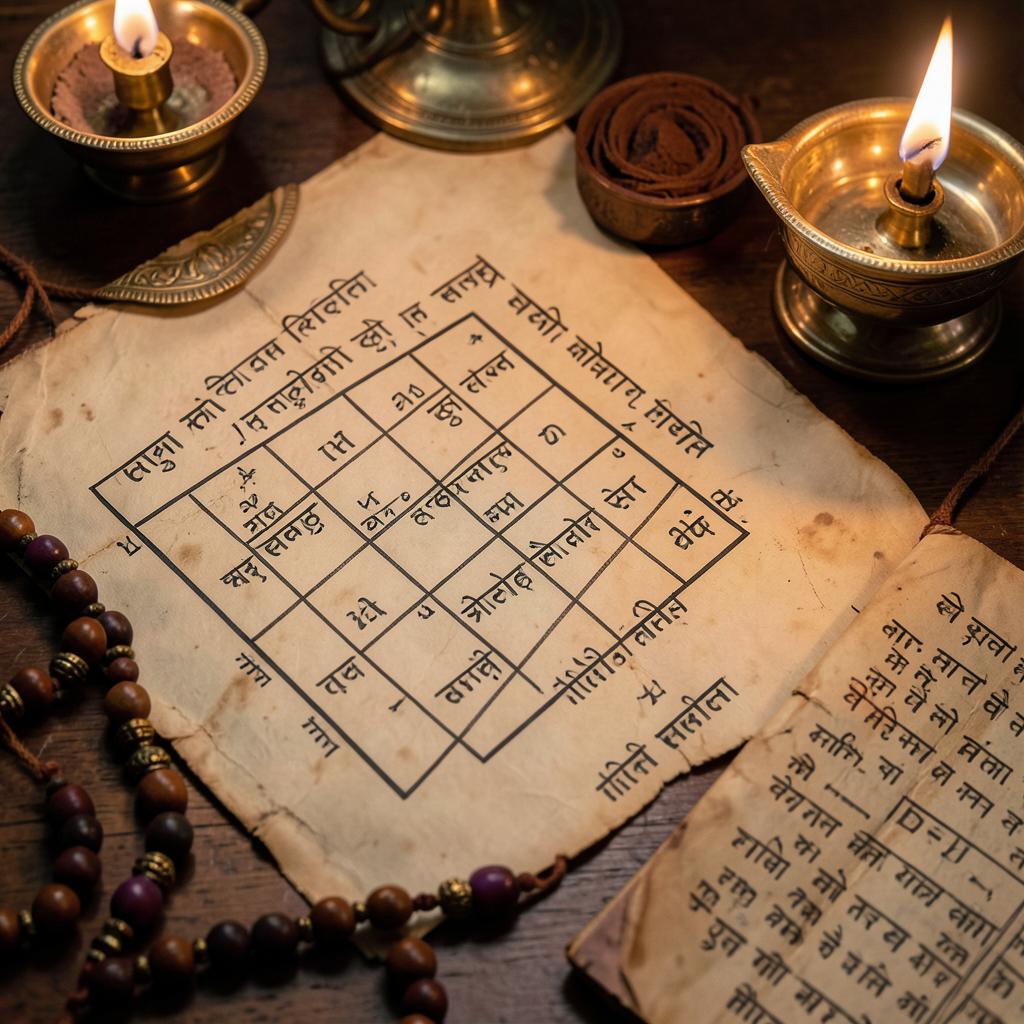
Kundli Analysis & Report
A complete reading of your chart, with remedies you can actually follow.
Read more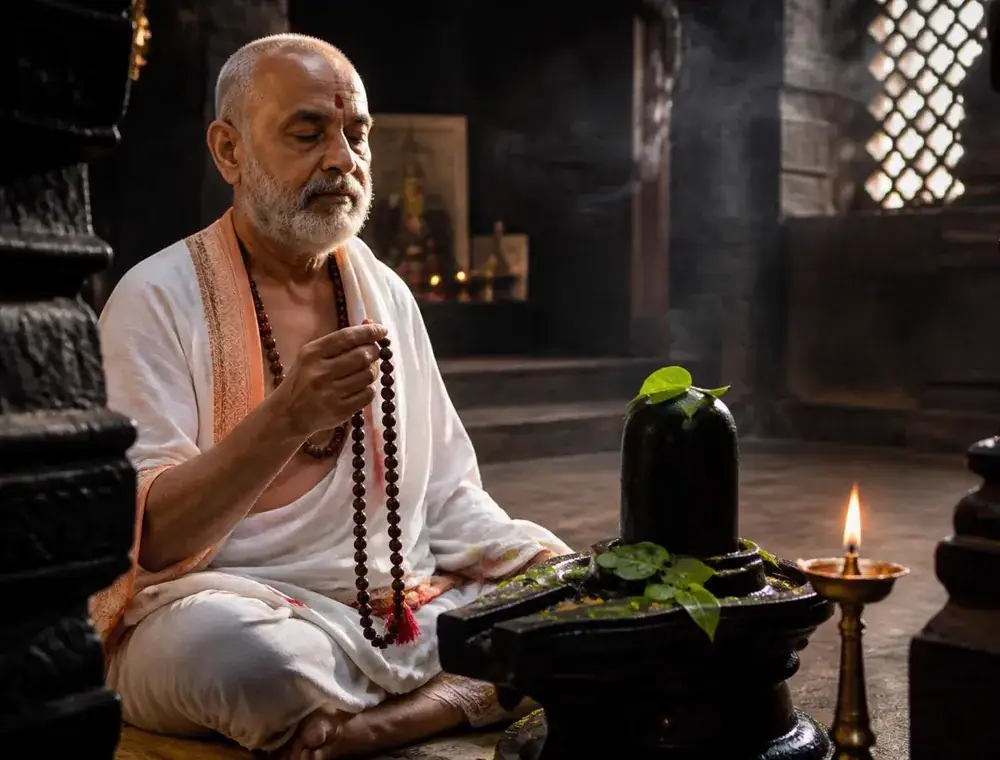
Rudrabhishek Puja
Abhishek of the Jyotirlinga with the Sri Rudram, the highest Shiva worship.
Read more